Sahra & BeyondSahra& Beyond
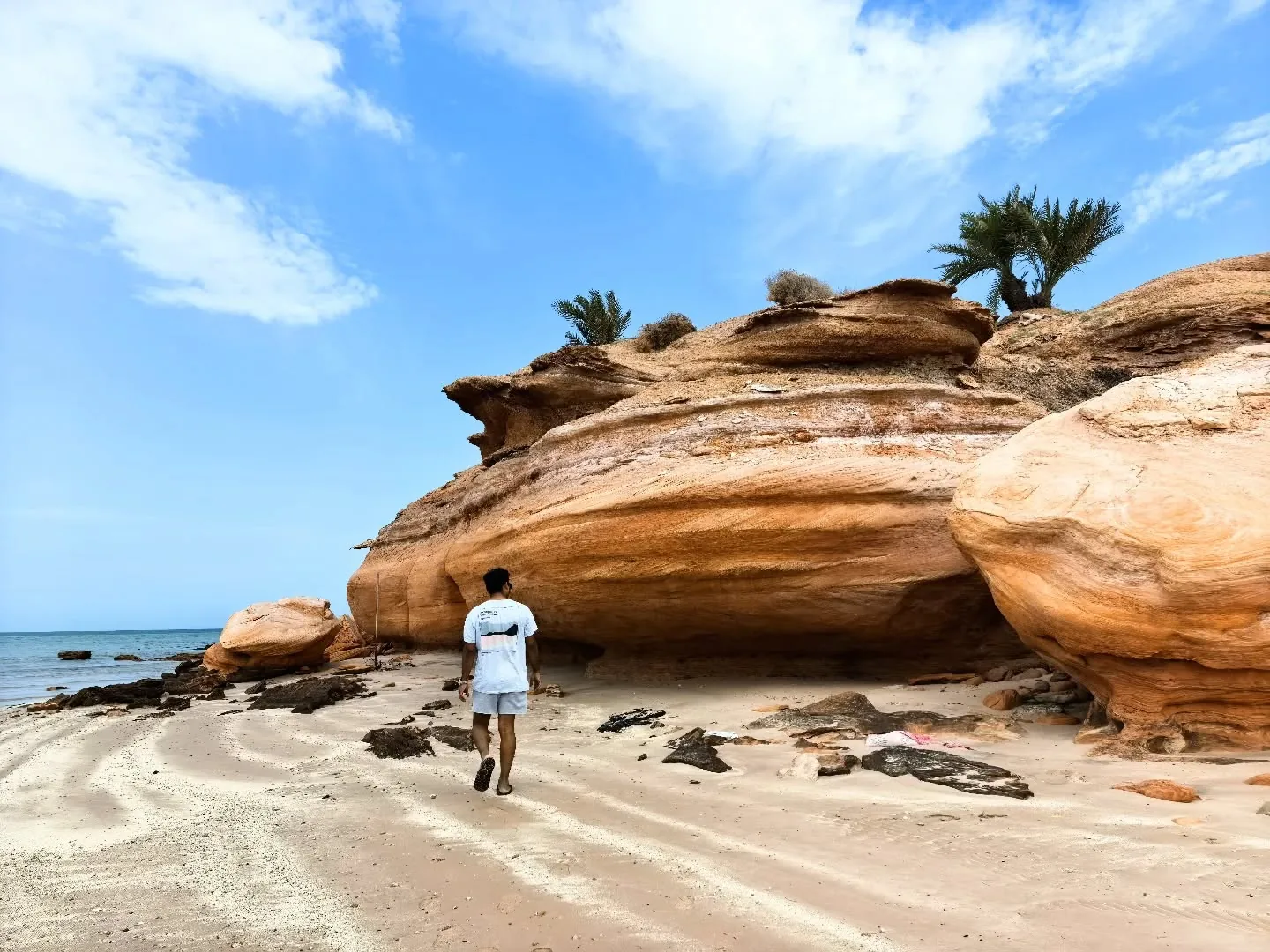
Wind-carved, mushroom-shaped rocks with orange banding on the shore of Shuweihat Island

Shuweihat Island

جزيرة الشويهات

Al Dhafra region, on the coast between Ruwais and Al Silaa · Abu Dhabi

CoastModerateBest Oct–Apr
Loading live weather…
Getting thereAny carCauseway to the island; keep off the salt flats, and turn back at fencing (access is disputed)
Time needed1–2 hours on site, plus a long drive
Best timeEarly morning or before sunset
CostNo fee reported
Toilets NoneFood NoneSignal Patchy
  1. January: best
  2. February: best
  3. March: best
  4. April: possible
  5. May: avoid
  6. June: avoid
  7. July: avoid
  8. August: avoid
  9. September: avoid
  10. October: possible
  11. November: best
  12. December: best

Quick answers

Where is it?
On Abu Dhabi's far western coast in Al Dhafra, beyond Ruwais, joined to the mainland by a paved causeway.
How far is it?
About 2.5 hours from Abu Dhabi city (roughly 290 km on the E11), and 3.5 to 4 hours from Dubai.
Do I need a 4x4?
No. The road and causeway are paved, and guides say a normal car manages them. An SUV helps on the unpaved tracks near the coast. Stay off the salt flats, which can trap a vehicle.
Is it open to the public?
Reports conflict: some visitors reach the coast on public roads, others find the best-known viewpoint fenced off near a military airfield. Turn back at any fence, checkpoint or sign.
Permit and fee
No fee or permit is mentioned in any source we found, and no gate or ticket booth is reported.
Best months
October to April, early in the morning or in the last hours before sunset.
Facilities
None on the island. The nearest toilets, fuel and food are in Ruwais, about 20 to 30 minutes back along the E11.

Shuweihat Island sits at the far western edge of Abu Dhabi's Al Dhafra region, on the coast between the industrial towns of Ruwais and Al Silaa — reached today by a causeway rather than a boat, though it began as a true island. Independent visitor write-ups keep landing on the same description: low cliffs and boulders in red, orange and yellow bands, worn by wind, rain and sea into rounded, almost sculptural shapes that one Emirati photographer compared to the surface of Mars.

The appeal isn't scale — this is not a national park — it's the strangeness of the rock itself against turquoise water and near-total quiet. Coverage in the Emirati newspaper Al Ittihad ties the island to the region's pearling past: Bani Yas families are said to have used these western islands as stepping stones between the mainland and open water, with the captains of old pearling dhows sheltering near the neighbouring Zabout rise in bad weather. Seabirds, including the locally distinctive Dami hawk, and marine life such as hawksbill turtles and dugongs are recorded in the wider area, though none of this is set up for wildlife-watching — there are no hides, boardwalks or rangers.

None of that heritage is signposted on site, and there is nothing built here at all: no visitor centre, no café, no toilet block. What's on offer is a stretch of genuinely striking, photogenic coast, and a proper logistics exercise to reach it — a long, remote drive followed by patchy, sometimes contradictory reports about how much of it you can actually walk on once you arrive.
Last checked 27 September 2026. Facts on this page come from the sources listed at the bottom. Spotted something out of date?

Getting there

From Abu Dhabi city, head west on the E11 past Mirfa and Ruwais — reckon on about 2.5…
Abu Dhabi Shuweihat Island
201 km from Abu Dhabi as the crow fliesBy road: about 2.5h from Abu Dhabi, 3.5–4h from Dubai

From Abu Dhabi city, head west on the E11 past Mirfa and Ruwais — reckon on about 2.5 hours for roughly 290 km of fast, four-lane dual carriageway. Several current guides note this figure is often confused with the longer time from Dubai (3.5–4 hours), so double-check your own route before you leave. Watch for the turn-off signed toward the coast beyond Ruwais; phone signal has been reported as patchy along this stretch, so download your map in advance. Fill up and shop in Ruwais — it's the last town with fuel, a supermarket and reliable toilets, roughly 20–30 minutes before the island. The final approach and causeway are paved and manageable in an ordinary car, though an SUV is more comfortable on the unpaved tracks nearer the coast. There's no public transport and no organised tour that we could verify, so this is a self-drive or private-driver trip only.

GPS 24.110069, 52.433308

When to go

Aim for October to April: independent guides put daytime temperatures in this window at a…
  1. January: best
  2. February: best
  3. March: best
  4. April: possible
  5. May: avoid
  6. June: avoid
  7. July: avoid
  8. August: avoid
  9. September: avoid
  10. October: possible
  11. November: best
  12. December: best

Best Possible Avoid This month is marked

Aim for October to April: independent guides put daytime temperatures in this window at a comfortable 18–28°C, and every source we found agrees that May to September should be avoided, with heat past 45°C and no shade anywhere on the island. Within that season, sources differ on the sweet spot — one guide favours the cooler months around December to February, another suggests waiting until March, when the sea has warmed enough for a comfortable swim. Early morning or the couple of hours before sunset give the best light on the coloured rock and the least heat; weekends reportedly draw more day-trippers from Abu Dhabi than weekdays.

What to do there

There's a single reason to come: the rock. Low, rounded formations in banded red, orange…

There's a single reason to come: the rock. Low, rounded formations in banded red, orange and yellow run along the shoreline, carved by wind, rain and sea into shapes visitor write-ups compare to alien or Mars-like terrain, with sea caves cut into some of the larger outcrops by wave action. Plan on an hour or two picking a way along the coast and photographing the formations and the unusually clear water. Some visitors treat it as a picnic or sunset stop and turn back the same day; others describe camping overnight on the beach, though nothing here is set up for it — bring your own shade and water, and take every scrap of rubbish home, since littering has been a real problem at this and similar spots. There's no swimming infrastructure, so treat the sea itself with the same caution as any unpatrolled beach.

Safety and rules

Access here is genuinely unsettled: some recent write-ups describe reaching the coast…

Access here is genuinely unsettled: some recent write-ups describe reaching the coast freely on public roads, while others report the most photogenic stretch fenced off, with the island bordering a military airfield and private land — treat any access claim, including this one, as liable to change, and turn back at any fencing, checkpoint or signage rather than push on. Several independent guides flag the same specific hazard: the salt flats (sabkha) beside the approach road look solid but are soft underneath and can swallow a vehicle to the axle, so stay off them entirely, especially after rain. Mobile signal is patchy in places, there's no lifeguard or ranger presence, and the rocks near the water are sharp and sometimes slick. The nearest help is the Ruwais police station, or the UAE's general emergency numbers (999 police, 998 ambulance, 997 civil defence).

In an emergency
  • 999 Police
  • 998 Ambulance
  • 997 Civil Defence

Weather warnings: National Center of Meteorology. Tell someone where you are going and when you will be back.

Heritage, nature and etiquette

The island's rock is linked in Al Ittihad newspaper coverage to Abu Dhabi's pearling era:…

The island's rock is linked in Al Ittihad newspaper coverage to Abu Dhabi's pearling era: Bani Yas families are said to have used these western islands as a route between the mainland and open water, with dhow captains sheltering near the neighbouring Zabout rise in storms. The distinctive red-orange-yellow banding — likened by one Emirati photographer to Martian terrain — comes from wind, rain and sea erosion working on different rock layers over a long period; no formal public geological survey of the site was found.

Etiquette. The coast borders private industrial land and reportedly a military airfield; keep to public roads and posted signage, don't photograph any military or industrial installation you pass, and turn back rather than cross a fence line.

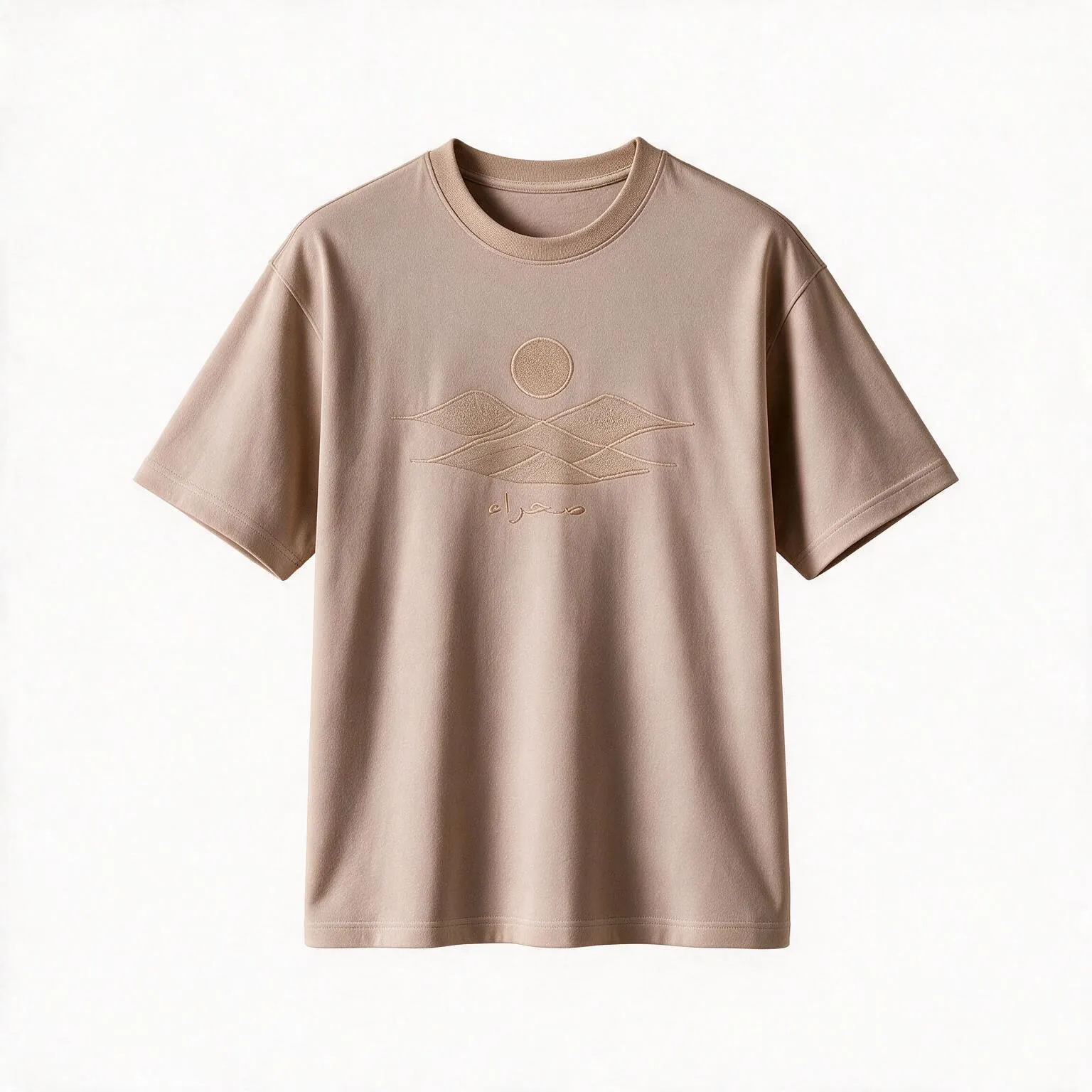
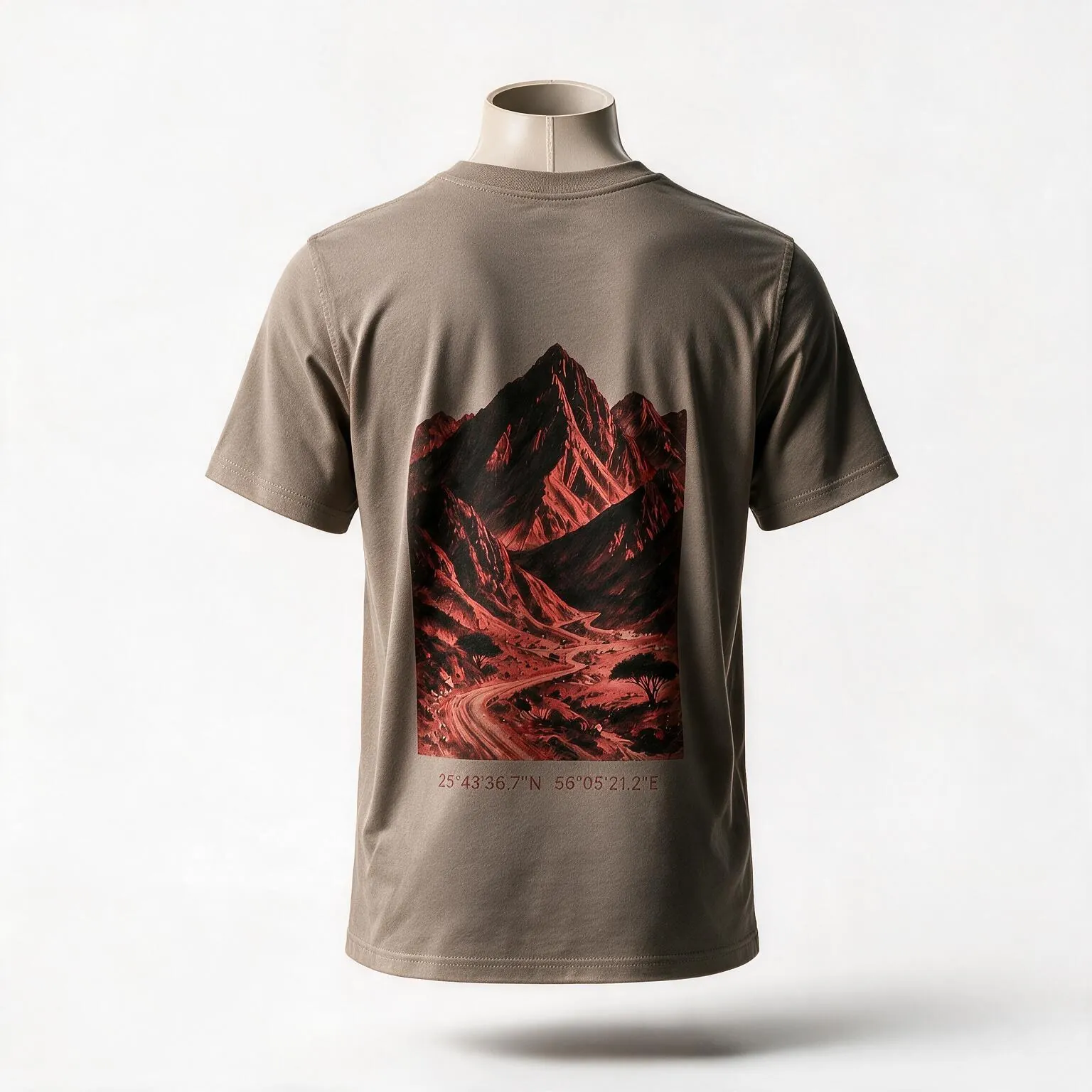
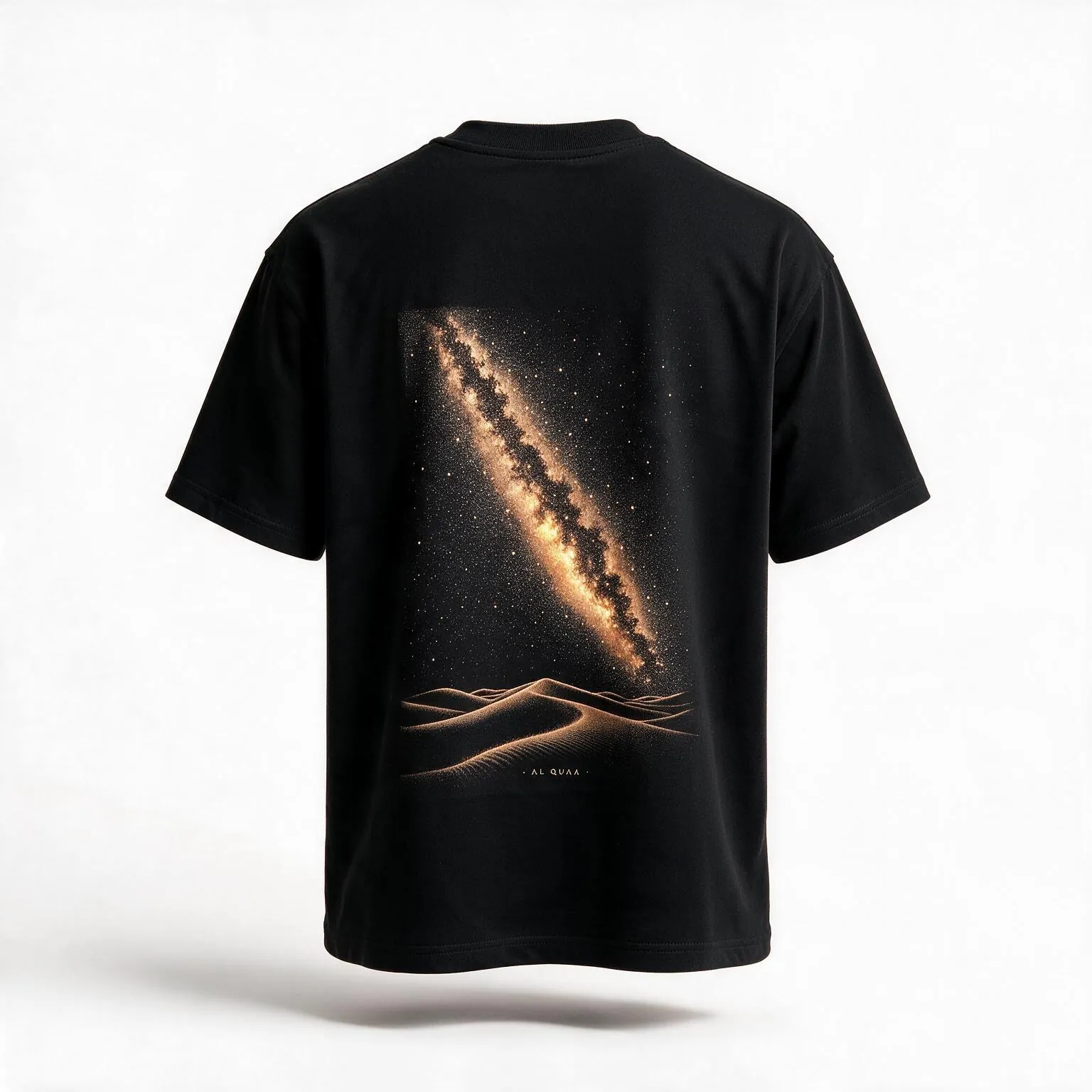
Wear the place

We haven’t drawn Shuweihat Island yet

Every Sahra & Beyond tee is drawn from one real place in the Emirates. These are the places we have drawn so far.

See all t-shirts →

What to pack for Shuweihat Island

Matched to how you get there and how long you stay. Tap items as you pack them; this list is saved on your phone.

0 packed

Take this list with you

Send it to yourself or the people you are going with. Ticked items are marked.

Questions people ask about Shuweihat Island

Is Shuweihat Island open to the public?

Reports conflict. Some current visitor guides describe free access by road; others say the best-known viewpoint has been fenced off near a military airfield. Check recent visitor reports before you travel, and turn back at any fencing or signage.

How do I get to Shuweihat Island?

Drive west from Abu Dhabi on the E11 past Ruwais. A paved causeway connects the mainland to the island, reachable in an ordinary car in around 2.5 hours from Abu Dhabi city.

Is there an entry fee?

No fee is mentioned in any source we found, and no gate or ticket booth is reported.

Are there toilets or shops on the island?

No. The nearest facilities are in Ruwais, about 20–30 minutes back along the E11.

Is it safe to drive there?

The paved road and causeway are manageable in a standard car, but stay off the salt flats beside the route — they look solid but can trap a vehicle — and expect patchy phone signal.

Can I camp on Shuweihat Island?

Some visitors describe overnight stays on the beach, but there are no facilities and no confirmed official camping status, so come fully self-sufficient and take all rubbish home.

SourcesWhere the facts on this page come from