Sahra & BeyondSahra& Beyond
🏞️

Wadis in the UAE: Pools, Waterfalls and Where to Go

Inspired by the landscapes of the UAE — wear the wild side of it

Wadis are the dry valleys that run through the Hajar Mountains, and the UAE's best-known ones sit in Ras Al Khaimah, Fujairah and Sharjah, within about two hours of Dubai. Some hold pools after rain, one has a waterfall that runs all year, and several are better for walking than for swimming.

This guide compares ten of them side by side, then covers which have water in summer, which are closest to Dubai, the UAE's waterfalls, and the flash-flood and etiquette rules that apply to every wadi. Details are as at 1 October 2026. Access rules change, so check before you go.

Our top picks

Wadi WurayahFujairah · WadisFujairah's UNESCO-listed mountain reserve in the Hajar range, home to what The National and Khaleej Times call the country's only permanent natural waterfall. It is open to visitors only on guided tours.Wadi NaqabRas Al Khaimah · MountainsA dramatic Hajar Mountains wadi in Ras Al Khaimah with red-rock scrambles, seasonal pools and a small dam — a genuine mountain hike with real flash-flood risk after rain.Wadi ShawkaRas Al Khaimah · WadisA family-friendly Hajar Mountains wadi in Ras Al Khaimah with a free dam park, seasonal pools after rain and marked trails, plus longer routes for serious hikers.Wadi KubRas Al Khaimah / Fujairah · CampingA quiet wild-camping wadi in the Hajar Mountains near Masafi, reached off the Gragrah–Ghub road, with century-old Sidr trees, rock pools after rain and no facilities at all.Al Rafisah DamSharjah · MountainsAn emerald reservoir in the Hajar Mountains above Khor Fakkan, with a landscaped lakeside park, hiking trails, kayaking and a 55m man-made waterfall on Sharjah's east coast.

The wadis compared

The table covers ten wadis, all in the UAE. Where no published source gives a figure, the cell says Not confirmed rather than a guess. The four wadis with their own guide on this site link from the first column.

Two cautions apply to the whole table. Swimming depends on recent rain and local rules, so treat any pool as a bonus, follow signs and never dive into water you have not checked. And Wadi Wurayah is visited in controlled guided groups, so it is not a turn-up-and-walk wadi.

Ten UAE wadis compared, as at 1 October 2026
WadiEmirateCan you swim?4x4 needed?Drive from DubaiPermit / accessBest months
Wadi WurayahFujairahNot confirmed. A freshwater pool sits below the waterfall, but swimming is not addressedNot confirmed. Access is by guided tourNot confirmed. About 45 km from Fujairah cityGuided tours only, booked through Fujairah Holidays, from Dh300 a person (July 2026)Cooler months. Tours restart in early to mid-October
Wadi BihRas Al Khaimah / FujairahShallow pools reported (Visit Ras Al Khaimah, as Al Beeh)An SUV is suggested for the winding roadsAbout 1h30 via the E611Not confirmedOctober to March
Wadi GhalilahRas Al KhaimahNot confirmed. Best known for the hard Stairway to Heaven hikeNot confirmedNot confirmedNot confirmedNot confirmed
Wadi Al HaylFujairahSmall pools and streams. Swimming not confirmedNot confirmedNot confirmedNot confirmed. Described as an ecologically sensitive siteOctober to March
Wadi SijiFujairahNatural streams and pools. Swimming not confirmedNot confirmedNot confirmedNot confirmedOctober to March
Wadi AbadilahFujairahPools in the wadi. What’s On says swimming is possibleNot confirmedAbout 1h30Not confirmedNot confirmed
Wadi KubRas Al Khaimah / FujairahRock pools after rain. Swimming not confirmedA car reaches the trailhead. High clearance for the wadi bedAbout 1h45 (approximate)Free, open access, no gateOctober to April
Wadi NaqabRas Al KhaimahSeasonal pools after rain, wading depthYes, for the last few kilometres to the trailheadAbout 2 hoursNo permit. Groups of 10 or more notify RAK tourism authoritiesOctober to April
Wadi Shawka (Showka)Ras Al KhaimahSeasonal natural pools that form after rainNo for the dam and park. Higher clearance helps beyondAbout 1h to 1h15 (around 92 km)Free entryNovember to April
Wadi Helo (Al Helo)SharjahNot confirmed. Wikipedia says the valley’s water has dried upNot confirmedAbout 1h40Not confirmedNot confirmed

Not confirmed means no published source gives the detail yet. Drive times are approximate and depend on traffic. Visit Ras Al Khaimah spells Bih as Al Beeh, and Bih runs across the Ras Al Khaimah and Fujairah boundary. Source: MyBayut Fujairah wadi list, Visit Ras Al Khaimah, What’s On, Khaleej Times and our own place guides (full list under Sources).

Which wadis have water in summer?

Only one wadi in the UAE is reported to have a waterfall that flows all year: Wadi Wurayah. Khaleej Times gives the waterfall as about 13 metres high and says it flows through the summer months, and What's On calls it the UAE's only permanent year-round waterfall. The catch is access. Visits are by guided tour in the cooler months, so the year-round water is not something you can go and see in August.

Everywhere else, assume the pools depend on rain. Visit Ras Al Khaimah says Wadi Shawka's natural pools form after rainfall, and Wadi Naqab and Wadi Kub fill with seasonal pools after winter rain. Wikipedia says the water in Wadi Helo has dried up.

Summer is also the wrong season for the walk itself. Visit Ras Al Khaimah gives October to April as the best hiking season and says summer conditions make the Wadi Naqab trails inadvisable because of the heat.

Wadis near Dubai

Drive times below are approximate and from Dubai.

Wadi Shawka, Ras Al Khaimah: about an hour to an hour and a quarter. It is the easiest first wadi: any car reaches the dam and park area, entry is free, and the dam area has washrooms and shaded seating.

Wadi Abadilah and Wadi Bih: both about an hour and a half. What's On puts Abadilah at 1h30, a trail through farmland described as easy to moderate. MyBayut gives about 90 minutes to Wadi Bih via the E611.

Rainbow Valley, Wadi Ghub, Fujairah: about an hour and a half from downtown Dubai, an 11 km round trip of four to six hours through multicoloured layered rock. The Road Reel says a sedan can reach the parking area, no permit is needed, and the small seasonal pools are not suitable for swimming. It lists late November to mid-March as the best months.

Wadi Helo, Sharjah: about 1h40 (What's On).

Wadi Kub, about 1h45, and Wadi Naqab, about two hours, are the two longer drives. Naqab is a hard mountain hike that needs a 4x4 for the final stretch, and Kub is a quiet wild-camping valley with no facilities.

Wadi Wurayah is in Fujairah, about 45 km from Fujairah city. Its drive time from Dubai is not confirmed, and it can only be visited as part of a booked tour.

Waterfalls in the UAE

Wadi Wurayah, Fujairah. The UAE's only permanent natural waterfall is about 13 metres high, flows year-round and sits inside a reserve of about 220 square kilometres in the Hajar Mountains (Khaleej Times, 27 July 2026). Wadi Wurayah joined the UNESCO World Heritage List on 25 July 2026 (What's On, 4 August 2026). Visits are by guided tour only, booked through Fujairah Holidays, with packages from Dh300 a person, and individual access is not permitted.

Seasonal waterfalls. Visit Ras Al Khaimah says Wadi Shawka leads past small pools to waterfalls where you can take a dip, and our Wadi Kub guide notes seasonal waterfalls after rain. These appear only after rain, and rain is also what makes a wadi dangerous.

Man-made waterfalls. Two waterfalls on Sharjah's east coast are artificial. PropertyFinder describes the Khorfakkan waterfall as man-made, built into natural rock above Khorfakkan Beach, and free to visit (October 2025). Visit Sharjah calls the waterfall at Al Rafisah Dam man-made, and PropertyFinder puts the dam about 10 to 15 minutes from the Khorfakkan waterfall. Both are worth a stop, but neither is a natural waterfall.

Flash-flood safety: read this first

Wadis can flood fast and without warning, even when it is not raining where you are. Rain in the mountains upstream can send a wall of water down a dry valley. Visit Ras Al Khaimah says Wadi Naqab can fill with water quickly and that you should never attempt the hike when rain is expected.

Never enter a wadi if rain is forecast anywhere in the catchment. Check the National Center of Meteorology forecast before you go, keep an eye on the sky, and know your exit route to higher ground. If water starts rising or turning muddy, get out immediately. Do not camp in the wadi bed.

Wadi etiquette and what to bring

Wadi pools and streams are fragile. MyBayut notes that littering is strictly prohibited in the Fujairah wadis, with potential fines, so carry out every scrap of rubbish. Visit Ras Al Khaimah advises dressing modestly and leaving no trace. Keep out of areas marked as protected or under renovation, and stay on the paths at sensitive sites such as Wadi Al Hayl and Wadi Wurayah.

Bring plenty of water, sun protection, sturdy shoes that grip when wet, a dry bag for your phone, a small first-aid kit and snacks. Most wadis have no shop or tap, and mobile signal can be patchy. Start early to beat both the heat and the crowds, and tell someone your route.

Best season for wadis

October to April is the usual window, with some wadis quoted slightly narrower: November to April for Shawka, and October to March for the Fujairah wadis in the MyBayut list. Avoid wadis during and just after heavy rain, and avoid summer, when the heat makes the approach walks unsafe.

Wadi Shab is in Oman

Wadi Shab, the swimming wadi near Tiwi, is in the Al Sharqiyah region of Oman, less than two hours' drive from Muscat (Oman Tripper). It is not in the UAE and is not in this guide.

Related guides

Frequently asked questions

Can you swim in the wadis in the UAE?

Sometimes. Wadi Shawka, Wadi Naqab and Wadi Kub have seasonal pools that form after rain, and What's On says swimming is possible at Wadi Abadilah. Whether swimming is allowed at Wadi Wurayah is not confirmed, and the small pools in Rainbow Valley are described as not suitable for swimming. Pools depend on recent rain, so check conditions, follow signs and never dive into water you have not checked.

Is there a waterfall in the UAE?

Yes. Wadi Wurayah in Fujairah has the UAE's only permanent natural waterfall, about 13 metres high and flowing year-round according to Khaleej Times. Other waterfalls appear only after rain. The waterfalls at Khor Fakkan and Al Rafisah Dam on Sharjah's east coast are man-made.

Can I visit Wadi Wurayah?

Only on a guided tour. Khaleej Times (27 July 2026) says tours are booked through Fujairah Holidays, individual access is not permitted, and packages start from Dh300 a person. Tours run in the cooler months and restart in early to mid-October.

Do I need a 4x4 to reach the wadis?

It depends on the wadi. A regular car reaches the dam and park area at Wadi Shawka and the trailhead at Wadi Kub. Wadi Naqab needs a 4x4 for the last few kilometres to the trailhead. MyBayut suggests an SUV for the winding roads at Wadi Bih. For several wadis in the table the access is not confirmed.

Which wadi is closest to Dubai?

Wadi Shawka in Ras Al Khaimah is the closest of the ten, at about an hour to an hour and a quarter. Wadi Abadilah and Wadi Bih are about an hour and a half away, and Rainbow Valley in Wadi Ghub is about the same.

When is the best time to visit a wadi in the UAE?

October to April, with the exact window varying by wadi: November to April for Wadi Shawka and October to March for the Fujairah wadis listed by MyBayut. Avoid summer heat, and never enter a wadi during or just after heavy rain or when rain is forecast upstream.

Is Wadi Shab in the UAE?

No. Wadi Shab is in the Al Sharqiyah region of Oman, less than two hours from Muscat. The wadis in this guide are all in the UAE.

Sources

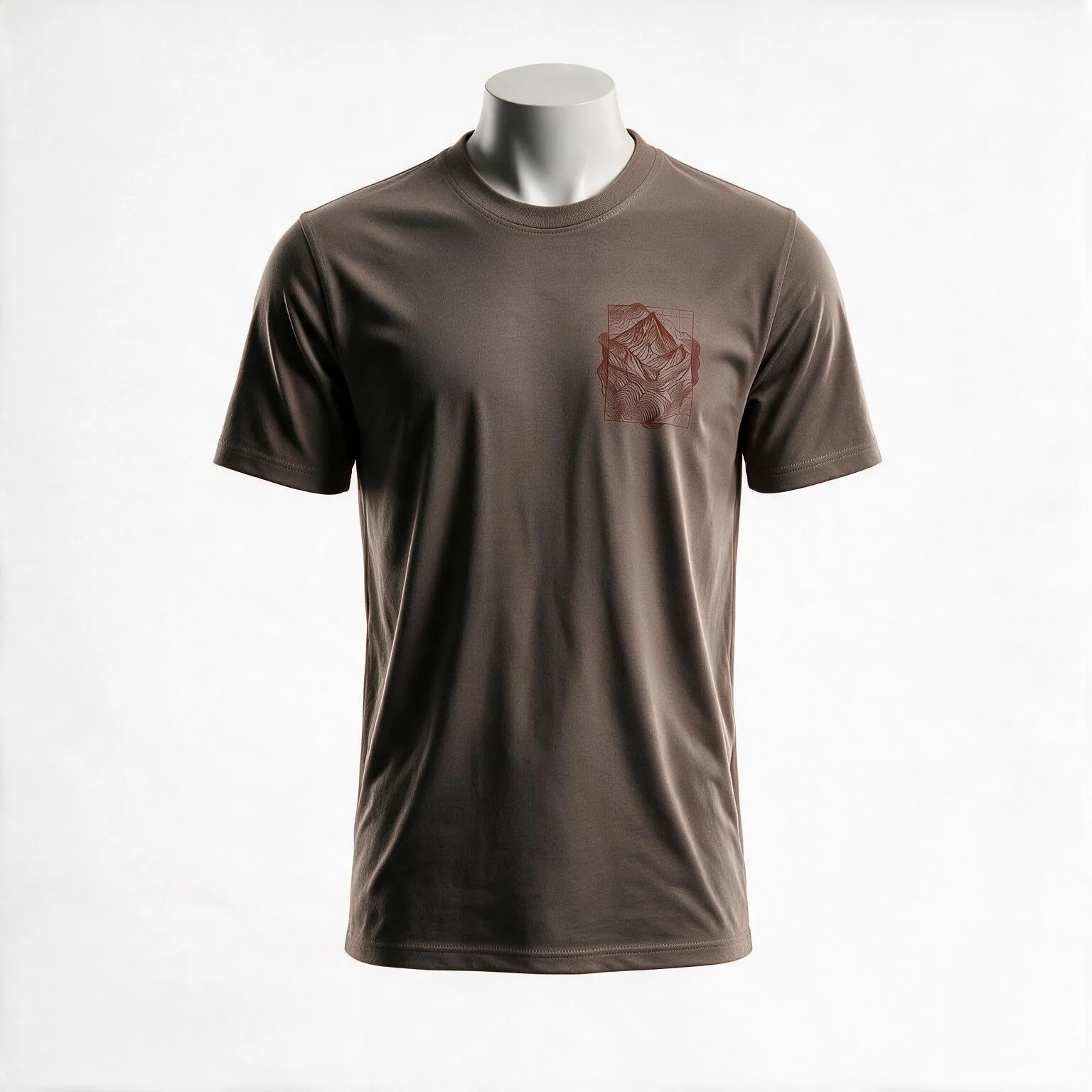
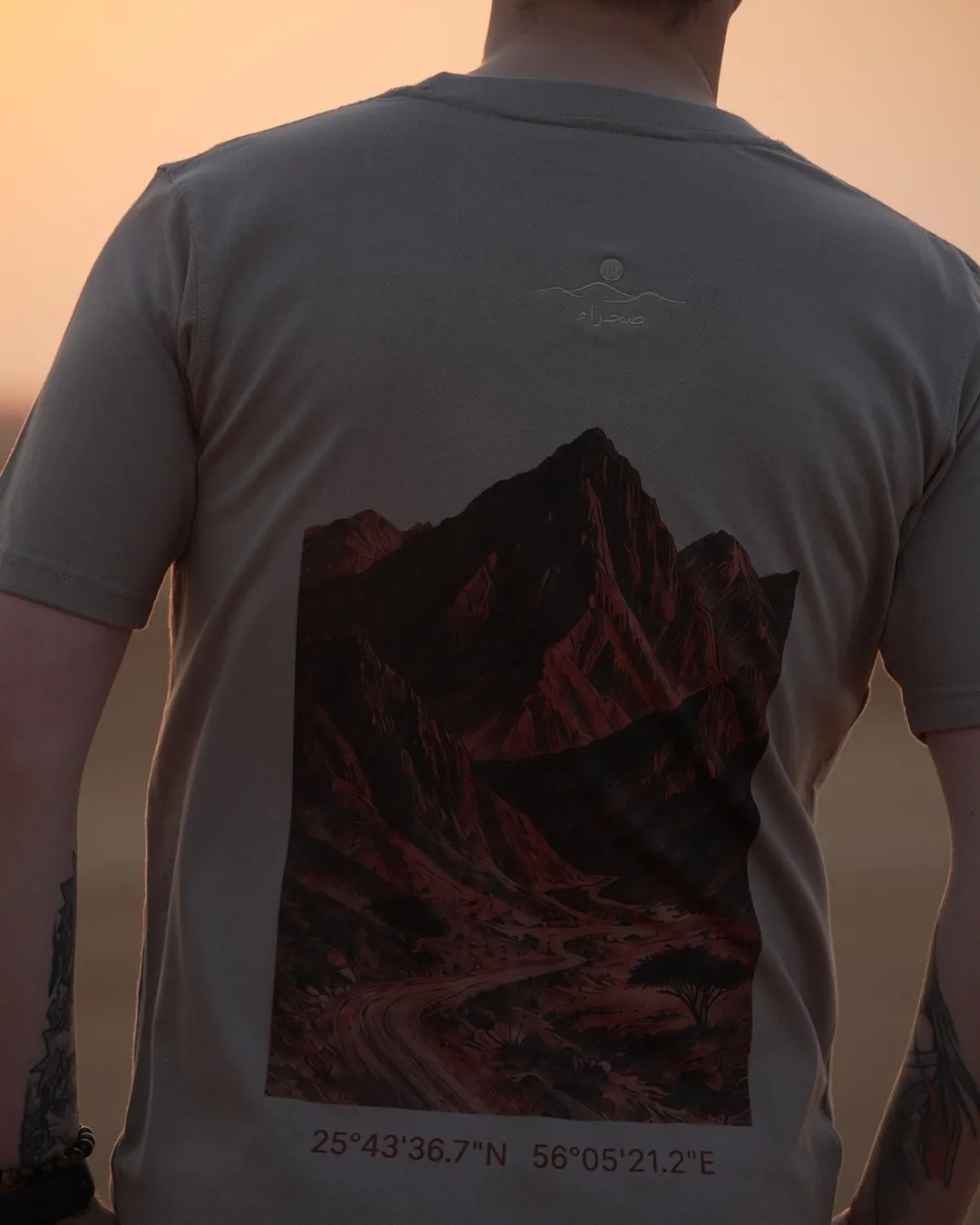
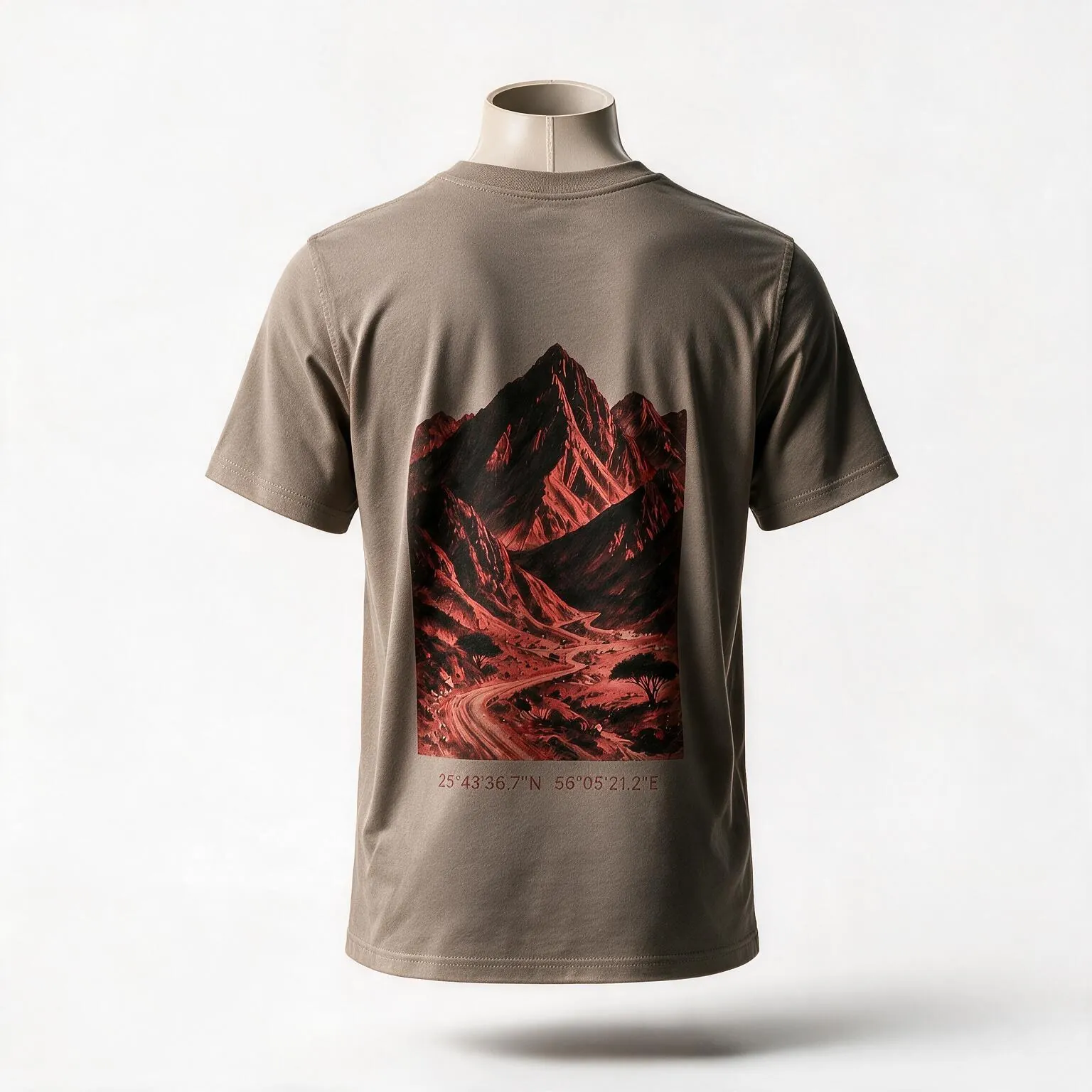
Hajar Mountains t-shirt, a mountain graphic tee in the regular fit — the red rock of the Hajar printed across the backHajar Mountains — Regular, regular fit, front view showing the set-in shoulder and classic cutThe Hajar Mountains tee worn in the dunes — the printed ridgeline across the back with the coordinates beneath itThe Hajar Mountains tee, front, worn in the dunes — the chest mark on the sand-coloured cotton
The tee drawn from this place

Hajar Mountains — Regular

Regular fit. A topographic line drawing of the Hajar peaks. 230gsm combed cotton, made to layer. Limited first run.

AED 199DTG print · embroidered logo✦ Limited first run
See the tee →

Also in Oversized

More mountain t-shirts

Sahra & Beyond · Drop 01 out now

Be first to see the next drop

Original tees drawn from real places across the Emirates — the first drop is live now. Join the list and you will hear about the next one first.

Shop the collection →

Back to Sahra & Beyond →